
If you or someone you love needs help at home, one of the first questions that comes up is whether Medicaid will pay for it. The short answer is yes, but the longer answer depends on where you live, what kind of care you need, and which Medicaid program you qualify for. Let’s walk through what you actually need to know.
What Medicaid Will (and Won’t) Pay for in New Jersey When It Comes to Home Health Aides
Medicaid in New Jersey covers home health aides, but only for medical needs. Anything non‑medical — like bathing, dressing, meal prep, or housekeeping — is handled through different programs and not through traditional home health benefits.
What NJ Medicaid Does Cover (Medical Care)
New Jersey Medicaid pays for medically necessary services ordered by a physician and delivered by licensed professionals, including:
- Skilled nursing
- Wound care
- Medication management
- Physical therapy
- Health monitoring
These are part of the state’s required medical benefits and are available to eligible Medicaid recipients.
What NJ Medicaid Does Not Cover Under Standard Home Health (Non‑Medical Care)
Non‑medical support — bathing, dressing, meal preparation, light housekeeping, and other daily living tasks — is not included in traditional Medicaid home health services. Federal law does not require states to cover personal care under home health, and New Jersey does not include it in that category.
How New Jersey Does Cover Non‑Medical Support for Adults With I/DD
For adults with intellectual and developmental disabilities, New Jersey provides non‑medical in‑home support through DDD Medicaid waiver programs, not through standard home health benefits.
These waiver programs — including the Supports Program and Community Care Program — can cover:
- Assistance with bathing and dressing
- Meal preparation
- Light housekeeping
- Individual and community‑based supports
- Respite
- Transportation
- Employment and day‑program supports
This is how agencies like Home Care For You are able to provide non‑medical, in‑home assistance for adults with I/DD: services are funded through DDD waivers, not traditional home health aide benefits.
What Medicaid Generally Won’t Cover
Medicaid in New Jersey typically does not cover 24/7 personal care in a private home. Because of the cost, round‑the‑clock care is only approved in very limited situations.
A Simple Note for Families
You don’t need to navigate Medicaid, DDD, or waiver programs on your own. Just contact us. Our team will explain your options, help you understand eligibility, and walk you through every step of the process.
The Difference Between a Home Health Aide and Personal Care Services Under Medicaid
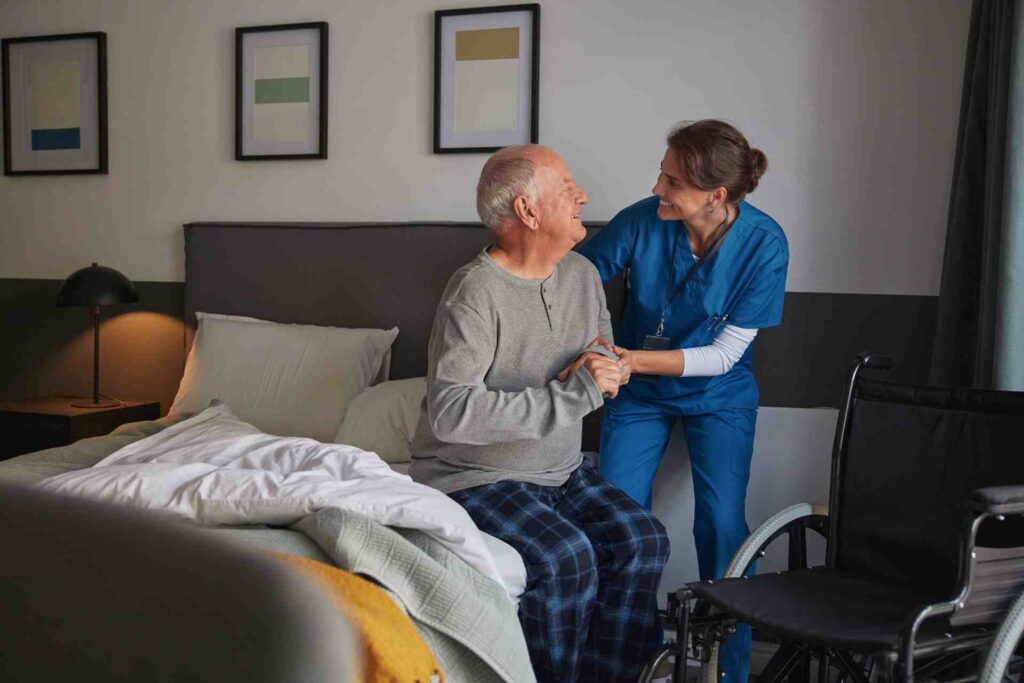
A home health aide providing medical services works under a care plan prescribed by a doctor. They can monitor your health, manage medications, and perform skilled tasks.
Personal care services, on the other hand, focus on non-medical support, helping you get dressed, move around safely, or prepare meals.
Medicaid treats these two categories differently. Medical home health care is a guaranteed benefit for eligible seniors. Personal care assistance is optional at the federal level, meaning your state decides whether to offer it and how much.
What a Home Health Aide Can Actually Do for You at Home
A home health aide can do quite a lot. Depending on your care plan and state program, covered services may include:
- Assistance with activities of daily living
- Bathing
- Dressing
- Eating
- Mobility
- Meal preparation
- Grocery shopping
- Laundry
- Light housekeeping
- Transportation to medical appointments.
On the medical side, aides working under licensed supervision can help with health monitoring, wound dressing, pain management, and rehabilitative therapies. The goal is to help you stay safely in your own home and avoid a nursing facility for as long as possible.
How to Find Out If You Qualify for Medicaid Home Health Coverage
Eligibility comes down to two things: finances and medical need. Financially, you’ll need to meet your state’s income and asset limits. Medically, most programs require that you need help with at least three activities of daily living, or that you demonstrate a level of need similar to what would qualify someone for nursing home care.
A functional assessment is part of the process. A care professional evaluates what you can and can’t do on your own, and that assessment shapes what services you’re approved for.
Why Working With a Trusted Home Care Provider Makes All the Difference
Navigating Medicaid is one thing. Finding quality care is another. At Home Care for You, we work with families to make sure the transition to in-home care is smooth, supported, and centered on what matters most, your comfort and independence at home. We can help you figure out what your coverage looks like and connect you with the right level of care for your situation. Reach out to us today to get started.
SOURCES:
- Personal Care Assistant (PCA) Services – Division of Disability Services
- A Consumer’s Guide to Homemaker-Home Health Aides – NJ Consumer Affairs